
How to Choose Solar Panels: 7 Practical Checks
Solar planning guide · Updated July 26, 2026
Panel shopping gets easier when you stop seeing the panel as the whole project. A useful solar plan starts with the electricity you need, the space you can use, and the type of system you are building. The module comes after those decisions.
By Off Grid Vault Editorial Team · Approx. 10 min read
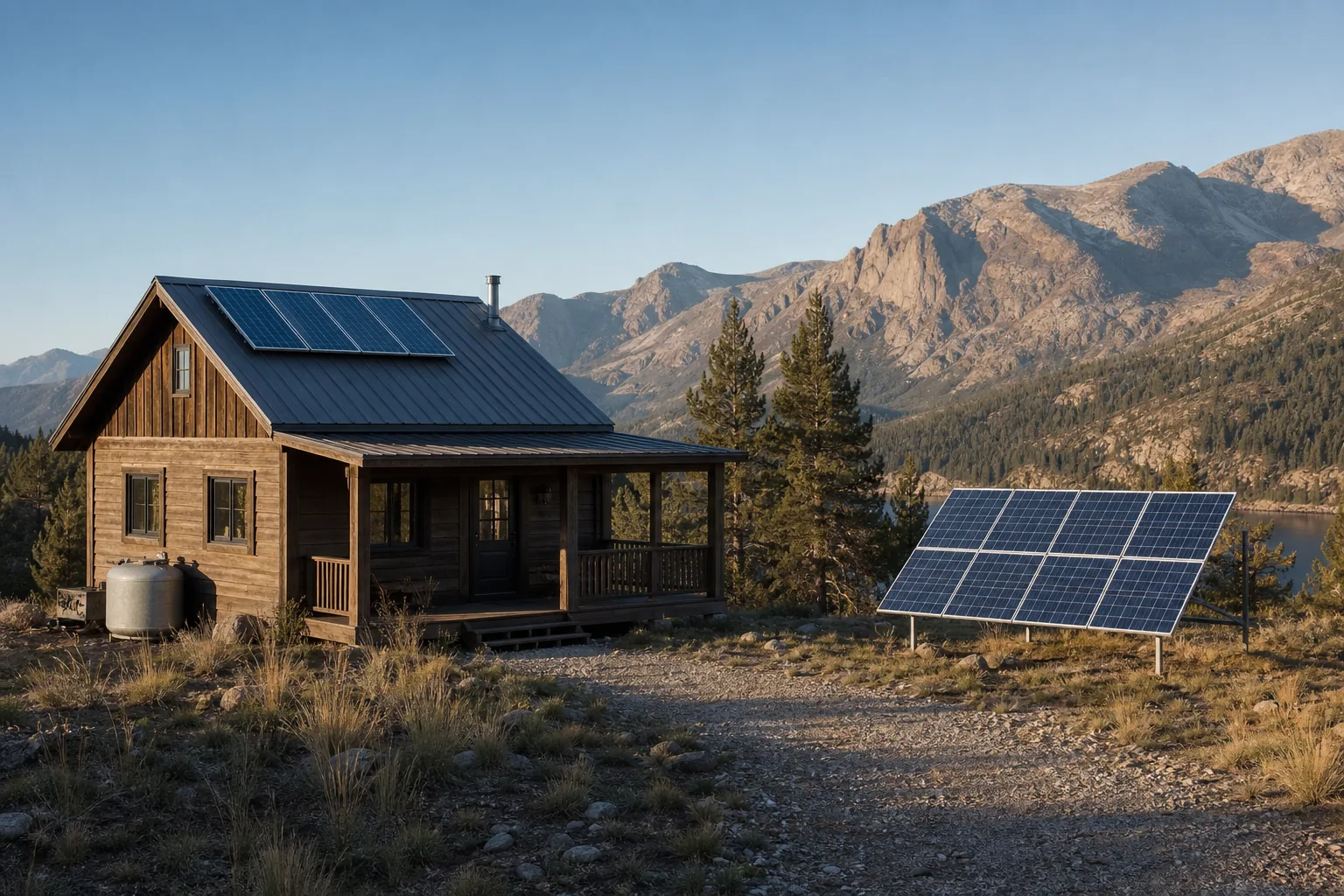
To choose solar panels, first define your energy use, usable roof or ground area, and system type. Then compare module power, dimensions, warranty documents, mounting and inverter compatibility, and the complete installed cost. Solar panels matter, but the system design determines if the project fits the site.
1. Start with the energy load, not a panel listing
The first solar decision is how much electricity the property uses and when it uses it. A module cannot be chosen responsibly until the project has a load estimate. The U.S. Department of Energy recommends reviewing energy use as part of the planning process; its homeowner guide is a sensible starting point before calling installers or comparing equipment.
For a home, gather utility bills and note large electrical loads. For a cabin, RV, workshop, or off-grid build, write down the devices that need power, how long they operate, and if any loads must run at the same time. That record does not need to predict the future perfectly. It gives the designer a real starting point instead of a guess based on roof size.
| Planning input | What to record | What it changes next |
|---|---|---|
| Energy use | Utility history or an appliance list | System size and if the project needs storage capacity |
| Timing | Daytime, evening, seasonal, and outage-critical use | Whether solar production alone is enough at the moment it is needed |
| Future loads | Known additions such as a workshop, RV, or electric equipment | Room for expansion in the inverter, mounting, and electrical plan |
Keep the appliance list with the quote. It lets an installer explain the project recommendation in terms you can verify rather than in a headline wattage alone.
2. Match solar panels to the usable site space
Accessible space is a design constraint, not a cosmetic detail. The roof, ground space, access route, and shading pattern influence which panel dimensions and mounting options can work. A larger panel may produce more rated power, but it still has to fit the site, mounting layout, and handling plan.
Look at the roof condition and its usable sections before assuming the whole surface can be used. Vents, dormers, setbacks, structural questions, and shade can reduce the workable space. A ground mount changes the conversation: it can offer a different orientation and easier access, but it adds land, mounting, trenching, and permitting questions. For an RV or cabin, size and weight limits may be as important as rated power.
Encode: usable space, obstructions, roof condition, access for installation.
Encode: available land, trench route, shade, local approval requirements.
Encode: physical size, mounting surface, cable routing, expansion room.
Do not turn a general guide into a site verdict. Roof suitability, local rules, and electrical requirements should be checked with a qualified local professional. The Department of Energy guide explains that homeowners should assess their site and local conditions before moving ahead with installation.
3. Read the panel specification sheet before comparing marketing copy
A specification sheet tells you what must fit together; a headline alone does not. When choosing solar panels, compare the documents for the actual model being quoted. The critical fields include rated power, physical dimensions, electrical characteristics, product warranty, and performance warranty. The inverter and mounting design must also be compatible with the selected modules.
| Field | Why it belongs in the comparison | Question to ask |
|---|---|---|
| Rated power | Helps the designer calculate how many modules are needed for the proposed system. | How many panels are included, and what is the total rated array power? |
| Dimensions | Determines if the layout fits the roof, rack, or ground structure. | Can the quoted layout fit the usable space with required clearances? |
| Electrical characteristics | Must work within the inverter, charge-controller, and wiring design. | Which component verifies compatibility, and where is that shown? |
| Warranty documents | Clarify the manufacturer’s stated coverage and terms. | Can the seller provide the full warranty document for the exact model? |
“Efficiency” can be useful when space is constrained, but it should not replace the rest of the design. A high number on one field does not answer if the panel fits the roof, the electrical configuration, or the project budget. Read the documentation and keep the model number in the proposal.
4. Choose the project architecture before shopping by brand
Grid-connected, hybrid, and off-grid systems ask different questions of the same solar panels. The right module is part of a system with an inverter, mounting hardware, wiring, protection equipment, and sometimes an energy-storage unit. Start by defining what the system must do when the sun is not producing electricity.
- If the project is grid-connected: confirm utility interconnection, roof or ground layout, inverter design, permits, and installer scope.
- If the project is hybrid: identify the backup loads and how the storage, inverter, and solar array are intended to work together.
- If the project is off-grid: define critical loads, storage capacity, charging sources, seasonal conditions, and the plan for periods of low solar production.
NREL’s Solar Cost Analysis resources help frame solar as a complete project rather than a single component. For off-grid equipment, compatibility deserves extra attention: battery voltage, inverter capabilities, charge control, array wiring, and balance-of-system parts must be selected together. Do not assume storage is required for every solar project, or that any storage unit will work with any inverter.
Use the first quote to learn what remains unknown. Check the proposed equipment list against the load record, then consider the project in a second season and a different weather pattern. This is less about finding a perfect panel and more about making each system choice visible. Solar technology can generate useful power, but the amount available at a site changes with conditions and the design. That means a lower headline cost is not automatically lower total costs, and an average online estimate is not a substitute for the actual scope.
Ask the company or installer to explain the value of every major component. A clear answer should provide the model, its role, and the document that supports the selection. Good questions save time later: what will be installed, what work is included, what work is excluded, and what happens if the site needs a change? This approach helps you learn which options are practical. It also makes it easier to compare quality without assuming that a familiar name or a larger panel is enough.
There are benefits to a written design even before installing solar panels. It gives the owner a record for future expansion, a way to review warranty terms over the years, and a basis for talking with other installers. If the proposal cannot show how the energy plan, roof space, and electrical equipment connect, pause before getting further. The next useful step is not more marketing copy; it is a documented system plan that you can read, check, and discuss.
Plan the next year, not only the first installation day. A homeowner may later add a tool, a vehicle charger, or another building. That does not mean every project should be oversized. It means the proposal should show where future equipment could connect and what limits apply. This is one reason to consider the mounting layout, inverter capacity, and electrical path before a crew arrives to install anything.
Ask how the quoted panels will be kept clean and accessible for inspection. The answer may depend on roof pitch, ground-mount height, local dust, and safe access. An efficient panel on paper still needs a layout that can be installed, inspected, and supported. These practical details shape the ownership experience as much as the initial equipment list.
Finally, separate possible savings from the documented value of the quote. Savings depend on local rates, usage, policy, weather, and the final design. A responsible seller can explain what information is needed to model those inputs; it should not substitute a generic promise. Read the documents, compare scope, and keep the assumptions with the project file.
5. Compare the complete solar system cost
The useful cost comparison includes every component and service required to make the system operate. A low panel price can hide a different mounting plan, electrical scope, permit scope, or storage configuration. Ask for a written breakdown so the choices are visible.
- Solar panels and mounting hardware
- Inverter and electrical protection equipment
- Battery equipment where the system design calls for it
- Design, installation labor, permits, inspection, and utility work where applicable
- Freight, delivery access, and any ground-mount or trenching work
- Manufacturer warranty documents and the party responsible for support
Costs and incentives vary by location, solar-plan design, and timing. View broad online averages as context, not a quote for your property. A proposal should state what it includes, what it excludes, and which assumptions still need confirmation.
6. Compare installer quotes on the same assumptions
Two solar quotes can only be compared after their load, site, equipment, and service assumptions are made visible. The fastest way to spot a mismatch is to ask every installer or seller for the same documents: equipment list, panel model numbers, array layout, inverter and storage details, warranty links, scope of work, and exclusions.
| Ask for | Why it matters |
|---|---|
| Module and inverter model numbers | You can read the same specification and warranty documents for each option. |
| Array layout | You can check how the proposed panels use the roof or ground space. |
| Load and production assumptions | You can see what the system was designed to cover rather than infer it from the panel count. |
| Scope and exclusions | You can identify work, permits, electrical upgrades, or site preparation that may sit outside the quoted cost. |
| Support path | You can understand who handles equipment questions after installation. |
This process also protects against a false choice between “more panels” and “better panels.” Often the real trade-off is between available space, system architecture, electrical design, and the loads the owner wants covered.
7. Turn the plan into compatible components
Once the load, site, and system type are clear, the equipment conversation becomes specific. Off Grid Vault carries solar panels, complete kits, storage banks, hybrid inverters, charge controllers, portable power stations, and balance-of-system components. Its role is to help a buyer translate documented needs into compatible equipment, not to replace a site assessment or local electrical review.
Use the Off Grid Vault solar panels collection after you have a load list and site constraints. A free system-design consultation can be used to review those inputs and discuss compatible solar-system options. Verify final permitting, utility, and installation requirements locally.
Frequently asked questions
How many solar panels do I need?
The panel count depends on the energy load, the selected panel’s rated power, usable site space, system architecture, and local conditions. Start with utility history or an appliance list, then ask for a design that shows the assumptions. A panel count without those inputs is not a project-specific answer.
Can I choose solar panels based on roof size alone?
No. Roof size is only one constraint. The usable space may be reduced by shading, obstructions, clearances, roof condition, mounting requirements, and local rules. Energy use and system design still determine what the solar array is meant to support. Have the proposed layout reviewed for the actual site.
Do solar panels require a battery-storage system?
Not every solar system includes a battery-storage system. The need depends on the system type and the loads that must be available when solar production is low or unavailable. A hybrid or off-grid plan needs storage equipment that is compatible with the inverter and the project’s stated requirements.
What should I ask an installer before signing?
Ask for equipment model numbers, an array layout, the load assumptions, warranty documents, a written scope, exclusions, and the support path. Also ask which permits, inspections, utility steps, and site-preparation tasks apply locally. That makes the solar proposal comparable with other options on the same basis.
Off Grid Vault Editorial Team. Off Grid Vault is an authorized retailer for the solar equipment categories described here. This guide is educational and does not replace a project-specific electrical, structural, permitting, utility, or installation review.


